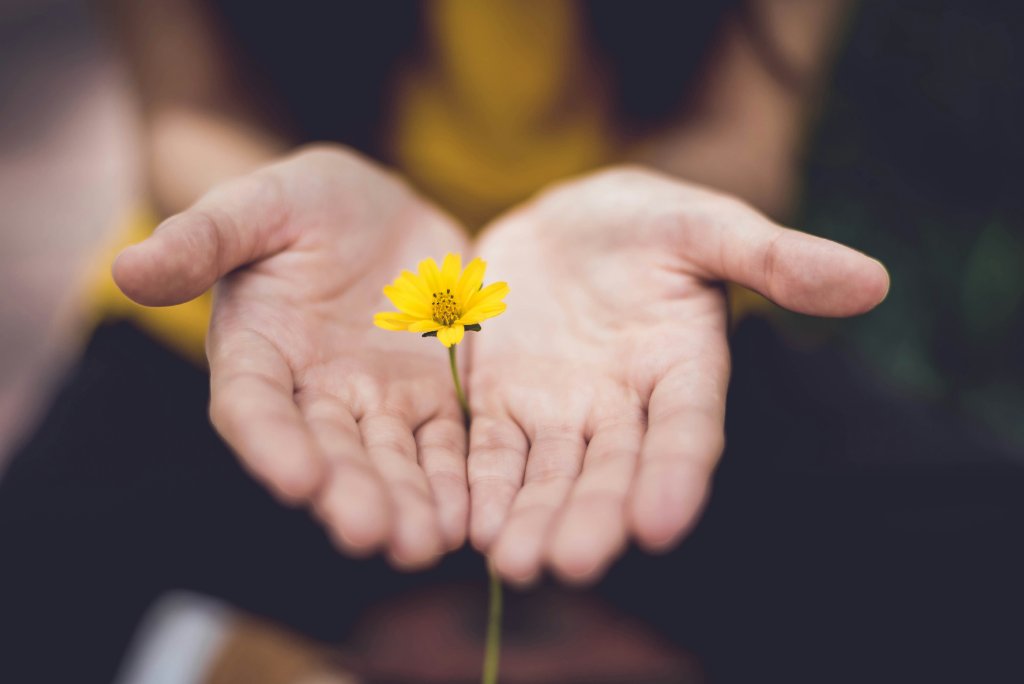
We spend a remarkable amount of our lives somewhere other than where we actually are.
Replaying conversations from last week. Worrying about what might happen next month. Scrolling through a highlight reel of other people's lives while our own moment passes, unnoticed. Research suggests that the average person's mind is wandering nearly half of their waking hours.
Mindfulness is the antidote — not as a spiritual ideal, but as a practical, evidence-based skill for living with more clarity, calm, and presence.
What mindfulness actually is
Mindfulness is often misunderstood as clearing your mind, achieving inner peace, or becoming endlessly serene. It is none of these things.
Mindfulness simply means paying attention to what is happening right now — in your body, your thoughts, your emotions, your environment — without judgment. That's it. You're not trying to feel a particular way. You're just noticing what's actually here.
The practice is deceptively simple and genuinely difficult. Our minds are wired to wander, plan, ruminate, and anticipate. Returning attention to the present moment, again and again, is the practice.
"The present moment is the only moment available to us, and it is the door to all moments." — Thich Nhat Hanh
The science behind mindfulness
Over the past few decades, mindfulness has become one of the most studied interventions in psychology. The research is compelling:
- Regular mindfulness practice reduces symptoms of anxiety and depression
- It decreases activity in the amygdala — the brain's threat-detection center — reducing reactivity
- It increases gray matter density in areas associated with emotional regulation and self-awareness
- It improves focus, working memory, and cognitive flexibility
- It lowers cortisol and supports immune function
These benefits don't require hours of daily meditation. Studies show meaningful change from as little as 10 minutes a day of consistent practice over 8 weeks.
Why presence is so powerful
Most of our suffering — anxiety, rumination, regret — exists in relation to time. Anxiety is fear about the future. Depression often involves rumination about the past. Neither exists fully in the present moment.
When we bring our attention here — to the sensations in our body, the breath moving in and out, the texture of this exact experience — we step out of the mental time travel that generates so much of our distress.
The present moment is the only place where life actually happens. It's where connection is possible. Where meaning is made. Where we can actually taste our food, hear what someone is saying, feel the warmth of sunlight on our skin.
Mindfulness and nature: a natural pairing
One of the most accessible entry points to mindfulness is the natural world. Nature has a unique capacity to call us into presence — the sound of water, the movement of leaves, the scale of a mountain or an open sky.
When we're in nature without a screen or an agenda, our senses naturally engage. We notice. We slow down. The nervous system responds to natural environments in measurable ways — reduced cortisol, slower heart rate, increased parasympathetic tone.
A mindful walk in nature isn't just pleasant. It's medicine.
Simple ways to practice mindfulness daily
Mindfulness doesn't require a meditation cushion or an hour of silence. Here are ways to weave it into life as it already is:
- The mindful minute: once a day, stop and take one full minute to notice — five things you can see, what you can hear, the feeling of your feet on the ground.
- Mindful eating: put down your phone for one meal a day. Taste your food. Eat slowly. Notice hunger and fullness.
- Transition moments: instead of reaching for your phone when you're waiting or transitioning between tasks, take three breaths and notice where you are.
- Body scan at night: before sleep, slowly move your attention through your body from feet to head. Notice sensation without trying to change it.
- Mindful listening: in your next conversation, practice truly listening — not preparing your response, not half-thinking about something else. Just receive what the other person is saying.
Mindfulness is not about achieving calm
One of the most important things to understand about mindfulness is that the goal is not to feel calm. Sometimes when you get quiet and present, you'll notice sadness, or tension, or boredom. That's not failure — that's the practice working.
Mindfulness builds the capacity to be with your experience — pleasant or unpleasant — without being swept away by it. Over time, this changes your relationship to difficult emotions. They become things you observe rather than things you are. They move through instead of taking up permanent residence.
Mindfulness in therapy
In holistic therapy, mindfulness is often woven into the work — not as a homework assignment, but as a way of being present together in session. Noticing what arises in the body as we talk. Paying attention to the breath when emotion intensifies. Grounding in sensation when memory becomes overwhelming.
Mindfulness doesn't bypass the hard work of therapy. It makes it more possible — creating the inner steadiness to look at difficult things without being destroyed by them.